
Article: Sea Samphire: The Croatian Coastal Plant Known as Nature’s Retinol
Sea Samphire: The Croatian Coastal Plant Known as Nature’s Retinol
There is a small plant growing along the Croatian coast that has a rather interesting history.
Sailors valued it as food, Shakespeare wrote about the dangers of gathering it from cliffs, and generations of coastal families preserved it in vinegar to enjoy throughout the year.
Today, that same plant has found a new purpose in skincare. It's called sea samphire, and its ability to support skin renewal has earned it the nickname retinol of the sea.
But what makes this unassuming coastal plant so interesting?
A plant that thrives where almost nothing else grows
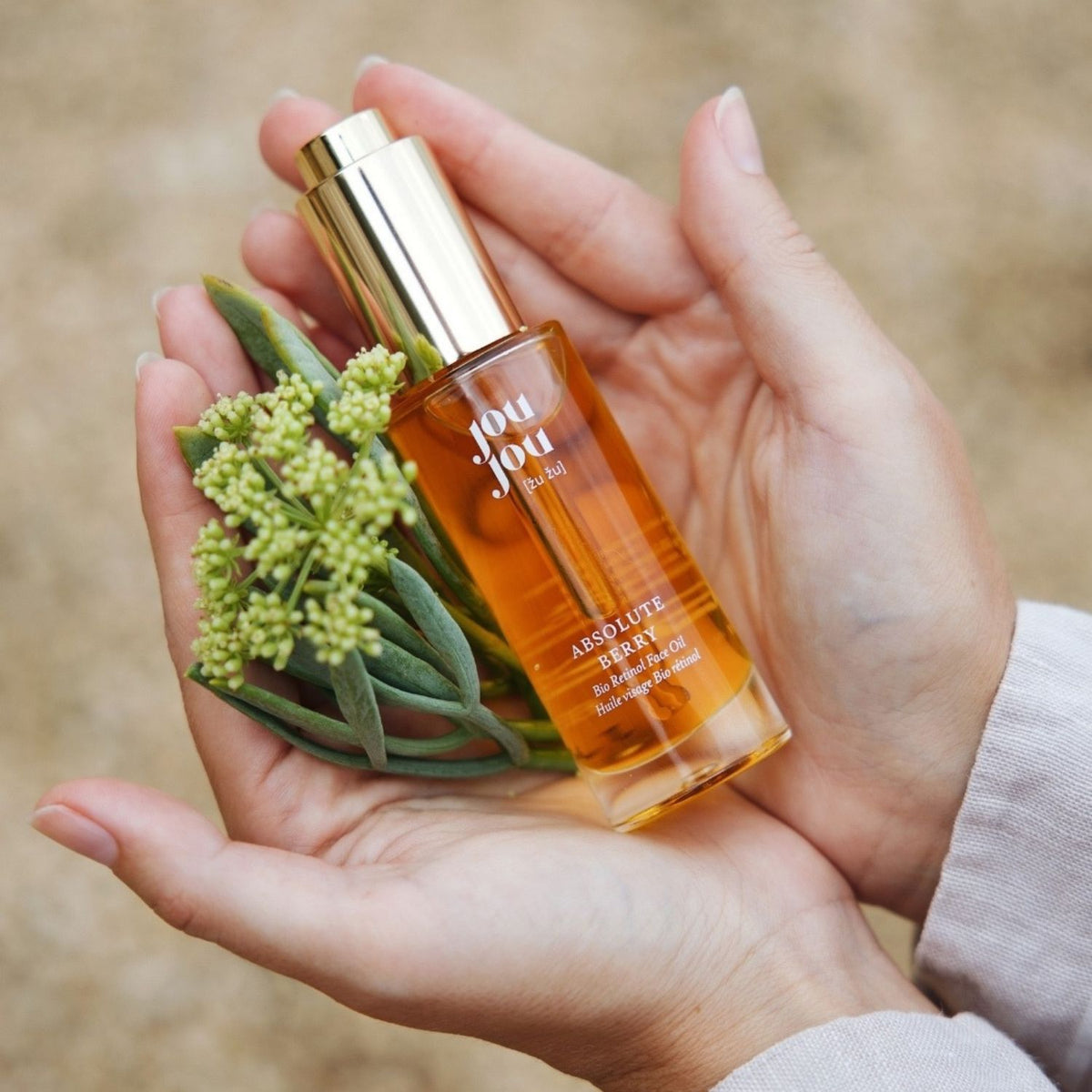
Sea samphire (Crithmum maritimum), also known as rock samphire or sea fennel, grows along rocky coastlines throughout the Mediterranean, including the Croatian Adriatic.
It's not a particularly demanding-looking plant. Its fleshy green leaves and delicate yellow-green flowers could easily go unnoticed among the rocks.
What makes it remarkable is where it chooses to live.
Constantly exposed to salt spray, strong winds, intense sunshine and limited freshwater, sea samphire has developed ways to survive conditions that would be difficult for many other plants.
Its thick, fleshy leaves help it manage water, while its natural protective compounds allow it to adapt to the stresses of coastal life.
And long before anyone thought to study its potential in skincare, people living by the sea had already found plenty of uses for it.
From sailors and Shakespeare to Dalmatian kitchens
Sea samphire has been part of European coastal life for centuries.
Its aromatic, slightly salty leaves were traditionally eaten fresh or preserved in vinegar. Along the Adriatic, where it's known as motar, pickled sea samphire remains a familiar part of coastal food traditions.
The plant also contains vitamin C, something that made vitamin-rich coastal greens valuable in times when fresh produce wasn't always easy to find.
But perhaps the most unexpected reference comes from William Shakespeare.
In King Lear, written more than four centuries ago, Shakespeare describes a man gathering samphire halfway down a steep cliff, calling it a "dreadful trade."
And he wasn't exaggerating. Collecting rock samphire from coastal cliffs was once a genuinely dangerous occupation, with gatherers sometimes suspended by ropes above the sea.
It's quite a history for such a modest-looking plant.
What we find especially interesting is how something so familiar to our coastline, once valued primarily as food, has found an entirely new purpose in modern skincare.
Why is sea samphire called a natural retinol?
Retinol is well known for helping improve the appearance of wrinkles, uneven texture and other visible signs of skin aging. But not everyone enjoys the dryness, redness or peeling that can sometimes accompany it.
That's one reason plant-based alternatives have attracted so much attention.
Sea samphire contains naturally occurring bioactive compounds, including antioxidants, that have been studied for their potential to support skin renewal and protect against environmental stress.
Certain sea samphire extracts have shown promising effects on processes associated with skin regeneration, making them interesting ingredients for formulas designed to improve skin texture, firmness and the appearance of fine lines.
This is where the term bio-retinol comes from.
Sea samphire isn't actually retinol, nor is it a synthetic retinoid. The term describes its potential to deliver some similar visible skincare benefits through a different approach.
And that's an important distinction. Retinol has decades of extensive research behind it, while evidence for sea samphire is still developing.
What makes sea samphire interesting isn't that it can necessarily replace retinol in every situation, but that it offers another way to approach skin renewal, particularly for those who prefer gentler skincare.
Why we chose sea samphire for Absolute Berry
When we developed Absolute Berry, we wanted to create a face oil that could do more than simply nourish the skin.
We wanted something that could become part of an everyday routine, supporting skin renewal, helping improve the appearance of fine lines and leaving skin feeling comfortable rather than overwhelmed.
Sea samphire was a natural fit for what we had in mind.
Its botanical origins, the research behind its cosmetic potential and its connection to the Mediterranean all made it particularly interesting to us.
But an ingredient's story, however fascinating, only tells us so much. What matters in the end is how the finished product performs on real skin.
That's why we had Absolute Berry Bio-Retinol Face Oil independently clinically tested.
After 28 days, all 22 participants showed a measurable reduction in wrinkles and fine lines. The study used Antera 3D imaging to evaluate changes in the skin.
For us, this is where the story becomes especially meaningful. We took an ingredient inspired by the coastal landscape we know so well and created a formula whose results we could actually measure.
How to use sea samphire in your skincare routine
Unlike traditional retinoids, sea samphire itself doesn't require a special introduction schedule or the same precautions associated with retinol.
Of course, the complete formula still matters. A product's suitability for sensitive skin depends on everything it contains, not just one botanical ingredient.
With Absolute Berry, we wanted to keep things simple.
A few drops applied to slightly damp skin are enough. You can use it on its own or as the final step after your moisturizer, depending on what your skin needs.
And while it can be used morning or evening, daily sun protection remains important, regardless of which skincare ingredients you choose.
Good skincare doesn't necessarily have to be complicated. Sometimes it's about finding a formula that works for your skin and giving it enough time to make a difference.
Discover Sea Samphire in Absolute Berry
From the rocky shores of the Adriatic to your daily skincare ritual.
Powered by sea samphire, our Absolute Berry Bio-Retinol Face Oil brings together botanical innovation and clinically proven results to help smooth fine lines, support skin renewal and restore a naturally radiant complexion.
Frequently Asked Questions About Sea Samphire
Is sea samphire the same as retinol?
No. Sea samphire (Crithmum maritimum) is a coastal plant used in skincare for its bioactive compounds and potential skin-renewing properties. Although it's sometimes called natural retinol or bio-retinol, it is not chemically the same as retinol.
Can sea samphire help reduce wrinkles?
Sea samphire extracts have shown promising properties relevant to skin aging, including antioxidant activity and support for skin renewal. However, results depend on the finished formulation. In an independent 28-day clinical study of Absolute Berry, all 22 participants showed reduced wrinkles and fine lines.
Is sea samphire suitable for sensitive skin?
Sea samphire is often used in products intended as gentler alternatives to traditional retinoid skincare. However, sensitive skin can react to any ingredient, so it's important to consider the complete formula and patch-test new products when necessary.
Where does sea samphire grow?
Sea samphire grows naturally along rocky coastlines, particularly throughout the Mediterranean and Atlantic coastal regions of Europe. It's also found along the Croatian Adriatic, where it's traditionally known as motar.
Can you use sea samphire skincare every day?
Sea samphire itself doesn't have the same usage restrictions as retinol. Many skincare products containing it are formulated for daily use, although it's always best to follow the instructions for the specific product.